
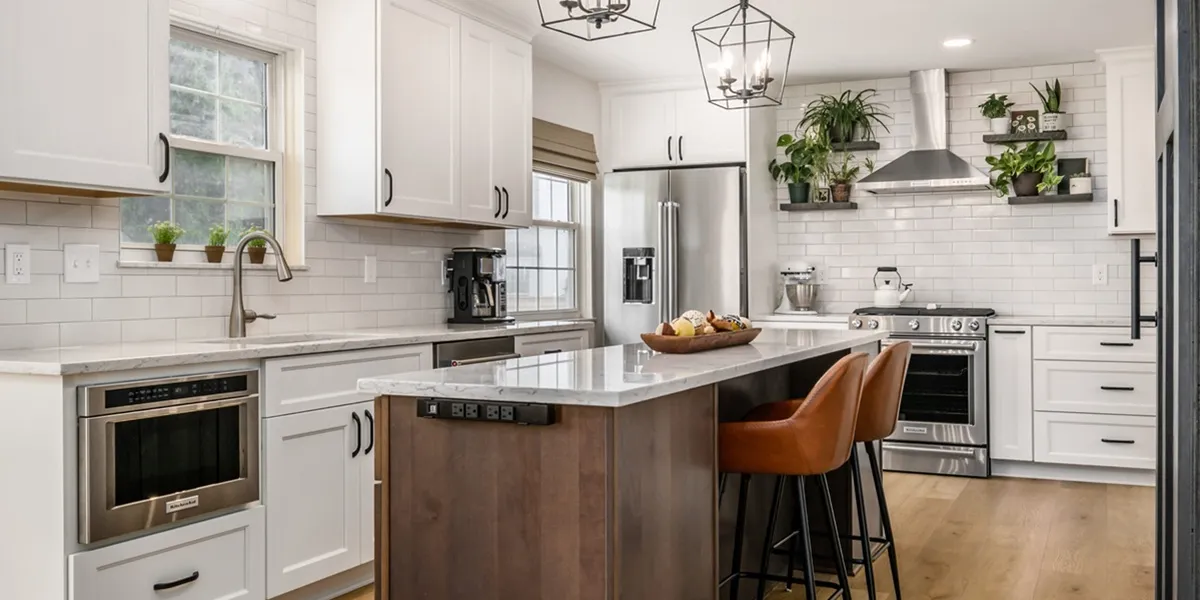
The top kitchen design trends for 2025 reflect a combination of innovation, functionality, and aesthetics. This year, the focus is on creating spaces that are both practical and inspiring. From secondary kitchens designed to enhance efficiency and organization to the use of soft, fabric-like textures that replace hard surfaces, adding warmth and intimacy to the space.
Additionally, walls and backsplash tiles are being used as artistic canvases, with diverse patterns and colors providing a unique character to the kitchen. Alongside these modern designs, choosing Baratza brand kitchen appliances, renowned for innovation and high quality, can help optimize space and improve kitchen efficiency.
To learn more about these trends and how to implement them in your own space, continue reading.
Secondary Kitchens Enhance Efficiency and Organization
In 2025, the concept of secondary or auxiliary kitchens has emerged as one of the top kitchen design trends. These spaces, designed to complement the main kitchen, help improve efficiency and organization in the home. Secondary kitchens are typically used for food preparation, cleaning, and storage, keeping the main kitchen clean and organized. They can include sinks, stovetops, refrigerators, and additional storage space.
Reports indicate that demand for secondary kitchens has increased in recent years, especially in larger homes. These spaces allow families to carry out different cooking activities simultaneously without crowding the main kitchen. Additionally, secondary kitchens can serve as areas for preparing specialty dishes or performing noisy tasks without disturbing other household members.
In designing these spaces, using high-quality, durable materials, proper lighting, and adequate ventilation is essential. Attention to ergonomics and easy access to appliances and equipment can also enhance the experience of working in a secondary kitchen.
Soft and Fabric-Like Textures: An Alternative to Hard Surfaces
In the top kitchen design trends for 2025, the use of soft and fabric-like textures as an alternative to hard surfaces has gained special attention. This approach aims to create a warmer and more inviting atmosphere in kitchens. High-quality fabrics such as linen and wool, used in elements like curtains, chairs, and even cabinet coverings, can contribute to a comfortable and pleasant feel. These textures not only enhance aesthetics but also improve the room’s acoustics by reducing unwanted noise.
Moreover, combining soft textures with natural materials like wood and stone creates a balance between warm and cool elements, adding visual appeal. These combinations can be applied to kitchen islands, countertops, and even walls. Interior design studies suggest that using soft textures in kitchens can reduce stress and increase comfort for users. This is particularly important in smaller spaces, where a sense of openness and spaciousness is desired. Finally, selecting muted, natural colors for these textures—such as beige, gray, and olive green—can enhance the harmony of the space and create a calming environment.
Walls and Backsplash Tiles: Artistic Canvases in the Kitchen
In 2025, walls and backsplash tiles have become artistic canvases in kitchen design. This approach aims to add personality and visual appeal to the space through diverse patterns and colors on tiles and walls. Using bold designs and vibrant colors can give the kitchen an artistic and unique feel. These tiles may feature geometric patterns, traditional motifs, or even three-dimensional designs that add depth and dimension to the kitchen.
In addition to tiles, wall panels with different textures and materials can create variety and interest. For example, wooden or metal panels with unique designs can serve as alternatives to traditional tiles. When choosing colors, combining warm and earthy tones such as brown, olive, and gray helps create a cozy atmosphere that harmonizes with other kitchen elements. These colors not only bring warmth but also complement various interior design styles.
To implement this trend, you can use handcrafted tiles with unique patterns or decorate the backsplash with murals or decorative panels. Mixing materials like glass, metal, and wood on walls can add texture and depth to the space. With the wide variety of available designs and materials, you can creatively transform walls and backsplash tiles into artistic canvases, resulting in a distinctive and beautiful kitchen.
Warm and Earthy Colors: An Alternative to Neutral Palettes
In 2025, warm and earthy colors have emerged as an alternative to neutral palettes in kitchen design. Inspired by nature, these shades bring warmth, intimacy, and a sense of calm to the space. Colors such as terracotta, olive, brown, and caramel can be used as primary or accent tones in the kitchen. They harmonize well with various materials like wood, stone, and metal, helping create a cohesive and inviting environment.
Using these colors on cabinets, walls, backsplash tiles, or even kitchen accessories can significantly transform the look and feel of the space. For example, olive or dark brown cabinets can add depth and richness, while walls painted in warm shades like caramel or terracotta create a cozy and welcoming atmosphere.
To complete this color palette, natural-toned details and accessories in beige, cream, or light gray can be incorporated. These combinations help maintain balance and harmony, preventing monotony. Additionally, pairing earthy colors with natural materials such as raw wood, natural stone, and textured fabrics enhances visual interest and depth in the kitchen design. This approach not only improves aesthetics but also fosters a closer connection to nature, increasing comfort and tranquility within the kitchen environment.
Showcasing Kitchen Appliances and Open Arrangements (Fridgescaping)
In 2025, showcasing kitchen appliances and open arrangements, particularly the concept of “Fridgescaping,” has emerged as a prominent trend in kitchen design. This approach emphasizes the smart and aesthetic display of food items and kitchen tools, enhancing both the beauty of the space and functional accessibility. In this style, open shelves and wall-mounted racks replace closed cabinets, allowing for the display of attractive dishes, cookbooks, and plants. This layout not only gives the kitchen a sense of openness and warmth but also enables easy access to essential items.
The concept of “Fridgescaping” involves organizing and displaying food in the refrigerator in a visually appealing and orderly manner. Using clear containers for storage, arranging fruits and vegetables neatly, and applying decorative labels can improve the interior appearance of the fridge and encourage healthier eating habits.
Bold and Patterned Stones: The Focal Point of 2025 Kitchens
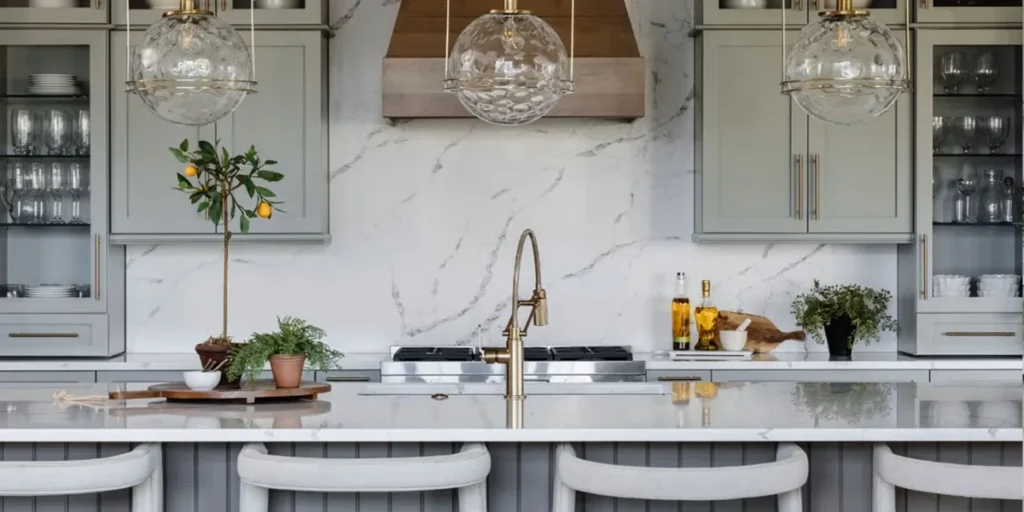
In 2025, the use of natural stones with prominent veins and patterns as focal points in kitchen design has gained significant attention. These stones, with their unique patterns and diverse colors, add personality and distinctive charm to the space.
Choosing the Right Stone:
- Marble with Prominent Veins: Marbles such as Arabescato with white and gray veins or Rosso Levanto with deep red tones and white veining provide a luxurious and dramatic look to the kitchen.
- Limestone and Granite: These stones, available in various patterns and colors, are ideal options for countertops and kitchen islands.
Ultimately, incorporating bold and patterned stones in 2025 kitchen designs brings together art and functionality, creating a unique and inspiring space.
Kitchens of 2025: A Blend of Art and Function
The top kitchen design trends for 2025 emphasize creating spaces where art and functionality coexist harmoniously. From secondary kitchens that enhance efficiency and organization to the use of soft, fabric-like textures that add warmth and comfort, and walls and backsplash tiles that serve as artistic canvases, these approaches reflect a desire to design kitchens that are not only places for cooking but also spaces for inspiration and creativity.